Creating public spaces that feel secure and inviting is essential for fostering community engagement. Thoughtful landscaping plays a pivotal role in this endeavor. A well-designed landscape can enhance safety, promote social interactions, and improve the overall quality of life in urban settings. By integrating principles from crime prevention through environmental design (CPTED) and employing security-conscious landscaping strategies, communities can cultivate spaces that are not only aesthetically pleasing but also functional and secure.
Understanding the Role of Landscape in Community Engagement
The landscape is more than just an aesthetic element; it serves as a backdrop for human interaction. When designing public spaces, the goal should be to create environments that encourage people to gather, socialize, and participate in community activities. Research shows that well-designed public areas can significantly reduce crime rates while promoting positive social behaviors.
One example can be seen in community parks where open sightlines allow for better visibility of activities occurring within the space. This transparency promotes feelings of safety among users. Moreover, integrating elements such as seating areas, walking paths, and engaging natural features encourages individuals to spend more time outdoors, fostering connections with neighbors and enhancing community ties.
The Principles of CPTED in Landscape Design
Crime Prevention Through Environmental Design focuses on modifying the environment to reduce opportunities for crime. It emphasizes natural surveillance, access control, territorial reinforcement, maintenance, and activity support. Each principle can be effectively implemented in landscape design:
Natural Surveillance: This principle advocates for visibility within spaces to deter criminal behavior. By positioning trees, shrubs, and other landscape features strategically, designers can create open sightlines that allow individuals to monitor their surroundings effectively.
Access Control: Defining clear entry points can help manage who enters a space. Using gates or specific plant arrangements can guide movement through public areas while discouraging unauthorized access.
Territorial Reinforcement: Landscaping can create a sense of ownership among community members. Features like decorative fencing or signage indicating private versus public areas foster a sense of pride and responsibility.
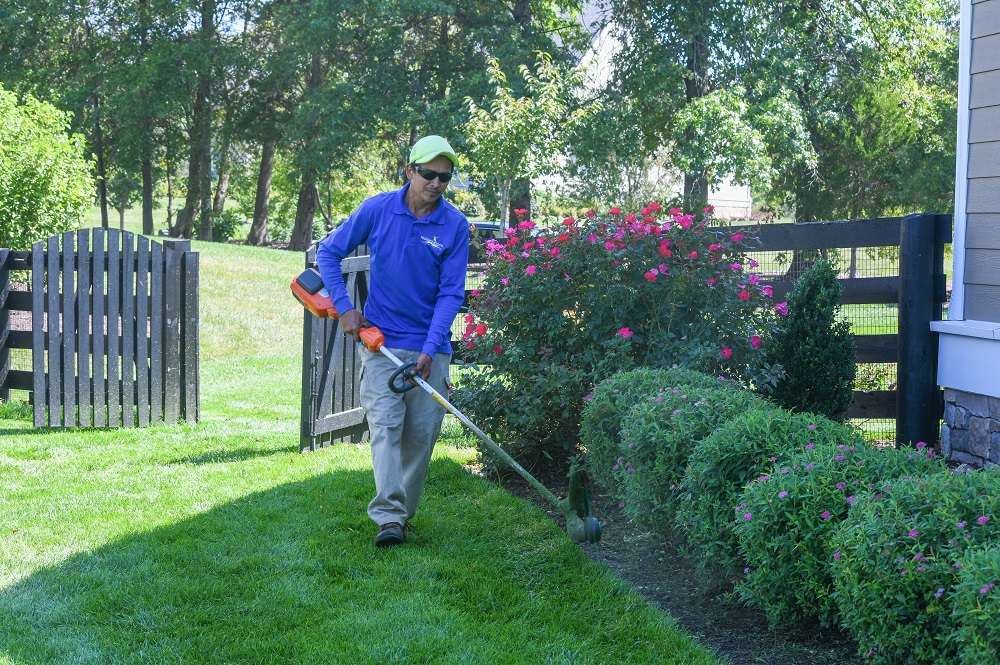
Maintenance: An area that appears well-maintained signals care and investment from the community or governing bodies. Regular upkeep of plants and amenities makes spaces more inviting while also deterring vandalism.
Activity Support: Designing areas for specific activities encourages their use at different times throughout the day — think playgrounds during daylight hours or outdoor seating in the evening for social gatherings.
Implementing these CPTED principles into landscaping not only contributes to safety but also enhances community spirit by creating places where residents feel welcome.
Security-Conscious Landscaping Strategies
Integrating security-focused landscaping services into public space design involves several practical considerations:
- Plant Selection: Choosing the right plants is crucial for both aesthetics and security. Thorny plants or dense hedges can serve as natural barriers while also providing visual interest when used thoughtfully alongside softer plantings. Lighting Solutions: Adequate lighting is vital for safety during nighttime hours. Well-placed lights along pathways or around gathering spots not only illuminate these areas but also enhance visibility without creating harsh glare. Perimeter Design: A securely designed perimeter using fences or native plant buffers offers protection without detracting from the beauty of the landscape. This approach ensures that areas remain accessible yet secure against unwanted intrusion. Flexible Space Usage: Public spaces should be adaptable to various activities throughout different times of day and seasons. This adaptability helps maintain high levels of engagement while ensuring that safety remains a priority.
The successful blending of these elements results in commercial safety landscaping efforts that prioritize both functionality and aesthetic appeal.
Case Studies That Exemplify Best Practices
Looking at real-world examples reveals how successful implementations have transformed communities:
1. The High Line – New York City
Originally an elevated railway line, The High Line has been transformed into a vibrant urban park that showcases thoughtful landscaping combined with CPTED principles. Natural surveillance is maximized through open view corridors while varied seating arrangements encourage social interactions among visitors from diverse backgrounds.
2. Millennium Park – Chicago
Millennium Park exemplifies how careful attention to landscape design fosters community engagement while maintaining security standards. Its layout encourages foot traffic across multiple attractions — art installations, gardens, and performance venues — all under well-lit pathways promoting safe exploration after dark.
3. The Waterfront – Toronto
Toronto's waterfront redevelopment highlights accessibility with landscaped promenades alongside water features creating serene environments perfect for relaxation or socializing while reinforcing natural surveillance through strategic planting choices that keep sightlines clear for pedestrians as they navigate busy urban custom landscaping services settings.
These case studies illustrate not only how effective landscaping practices can enhance user experience but also contribute substantially toward reducing crime rates within those environments by making them feel safer overall.
Creating Safe Spaces Through Collaborative Efforts
Engaging local stakeholders—including residents—during planning phases ensures landscapes meet community needs effectively without sacrificing aesthetics or security measures necessary for success over time . Community involvement fosters ownership over shared spaces which translates directly into enhanced vigilance against potential threats while encouraging stewardship relationships between users themselves .
Regular feedback loops involving surveys or workshops allow architects , city planners , landscapers , law enforcement officials ,and citizens alike collaborate on finding solutions tailored specifically towards unique challenges faced by neighborhoods . Additionally , establishing volunteer programs centered around maintenance efforts reinforces personal investments made among locals thus leading towards increased pride associated with their environment .
Effective partnerships extend beyond simply gathering input ; they generate momentum driving sustainable initiatives forward long after initial designs take shape .
Balancing Aesthetics With Functionality
While prioritizing safety should never overshadow beauty when designing public spaces , achieving equilibrium between these two facets often proves challenging yet inherently rewarding . Safety-driven landscape architecture incorporates artistic elements alongside practical features resulting ultimately in immersive experiences enjoyed by all who visit .
Considerations might include utilizing native plants adapted naturally towards regional climates requiring less water usage compared traditional non-native varieties ; employing permeable materials allowing rainwater infiltration reducing runoff pollution entering nearby waterways ; integrating artistic sculptures appealing visually whilst conveying messages about ecological sustainability rather than mere ornamental value alone .
These approaches reflect mindfulness towards environmental impact connected directly back Click for source towards fostering communal identities forming around shared values rooted deeply within respective contexts surrounding each project undertaken .
Conclusion
Fostering a sense of community through thoughtful design requires commitment from everyone involved—designers must prioritize safety without compromising aesthetics; residents must engage actively throughout processes shaping their neighborhoods' futures; local governments provide necessary funding resources supporting ongoing efforts post-construction ensuring continued success over time .
When public spaces become reflections not just physical locations where people gather but extensions shared cultural identities built upon trust collaboration respect , then true transformation occurs allowing communities thrive together harmoniously regardless obstacles encountered along way .